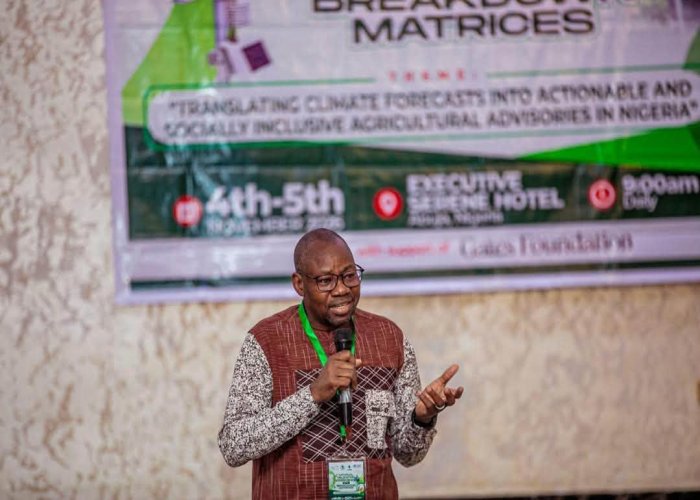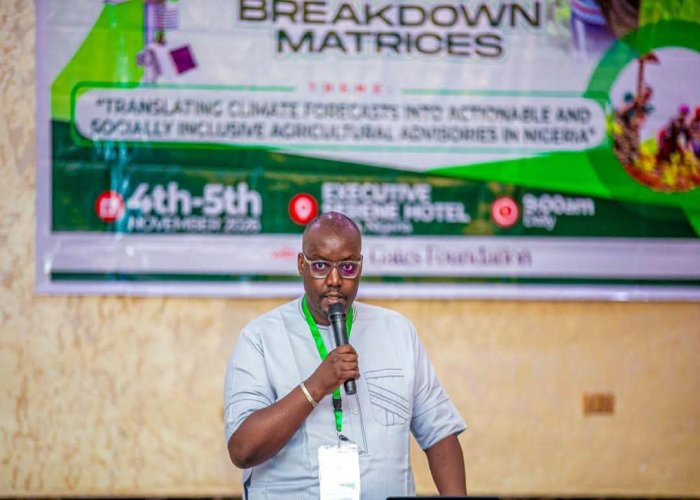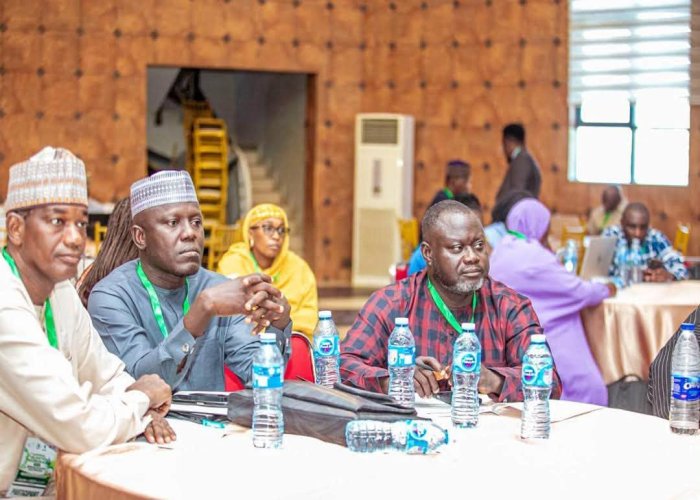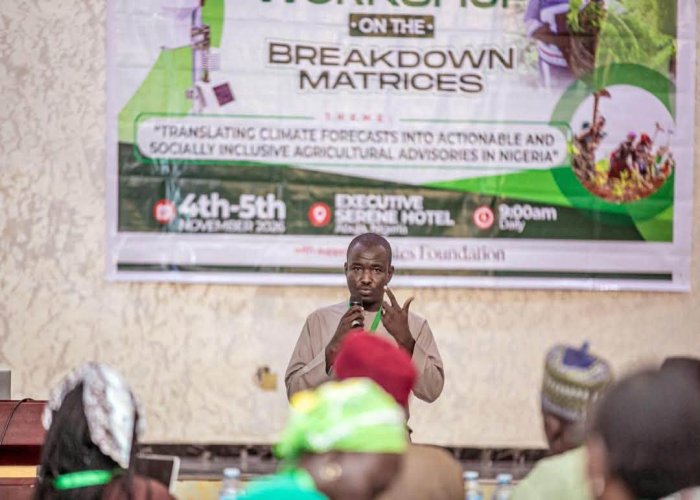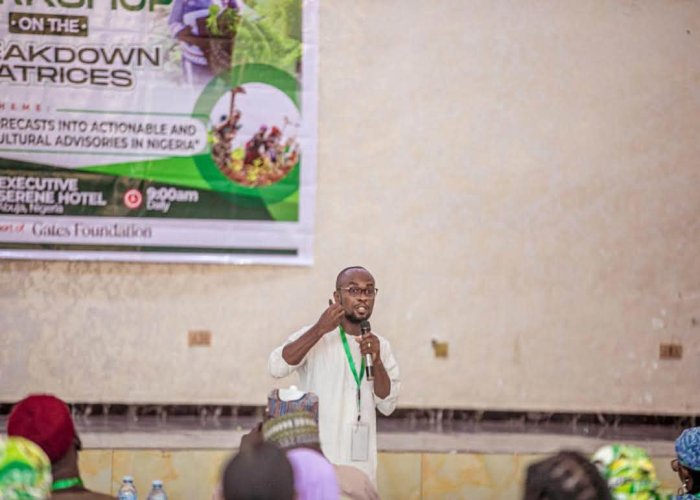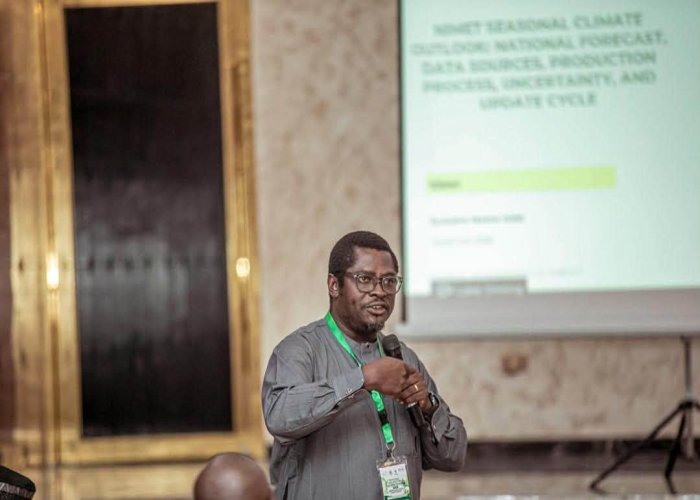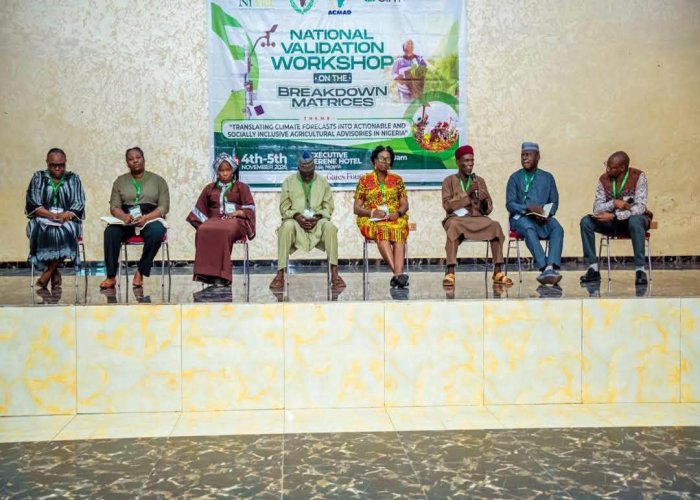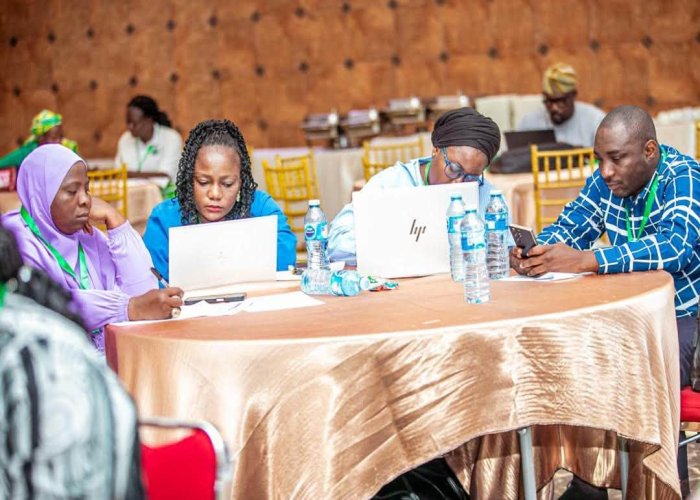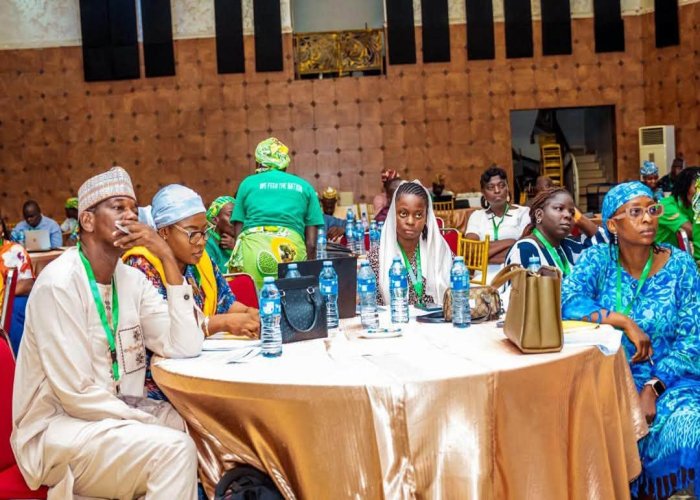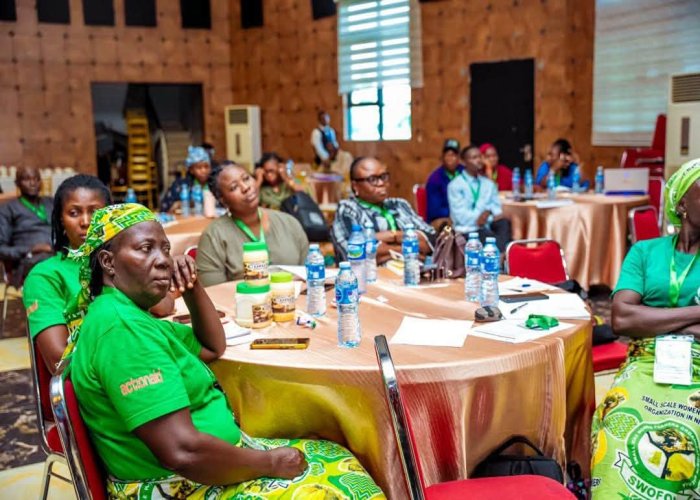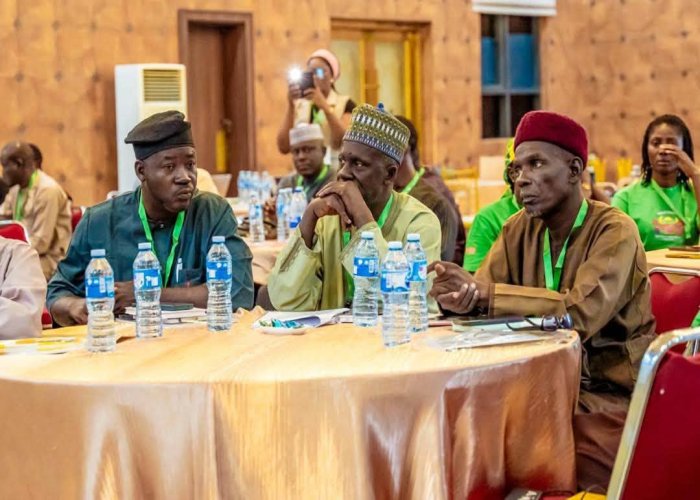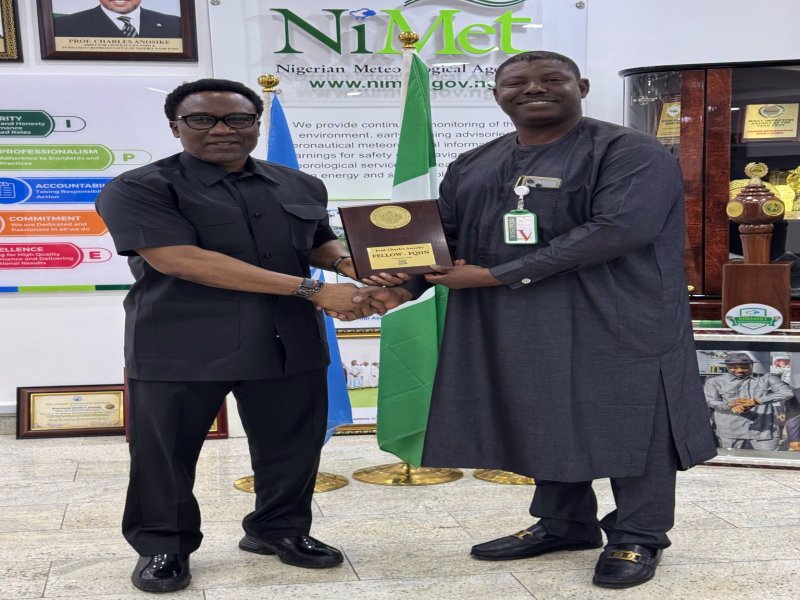
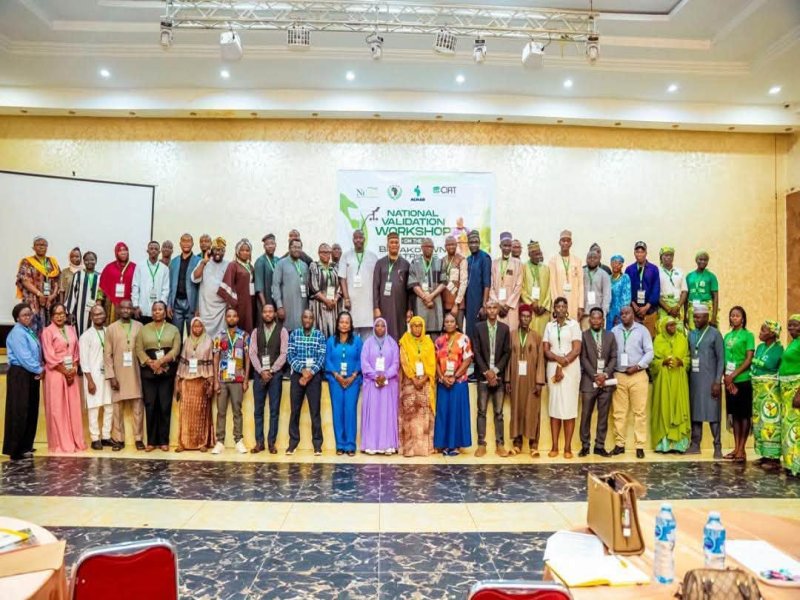
The Nigerian Meteorological Agency (NiMet) hosted a two-day National Validation Workshop on Breakdown Matrices to strengthen the translation of climate forecasts into actionable, socially inclusive agricultural advisories across Nigeria.
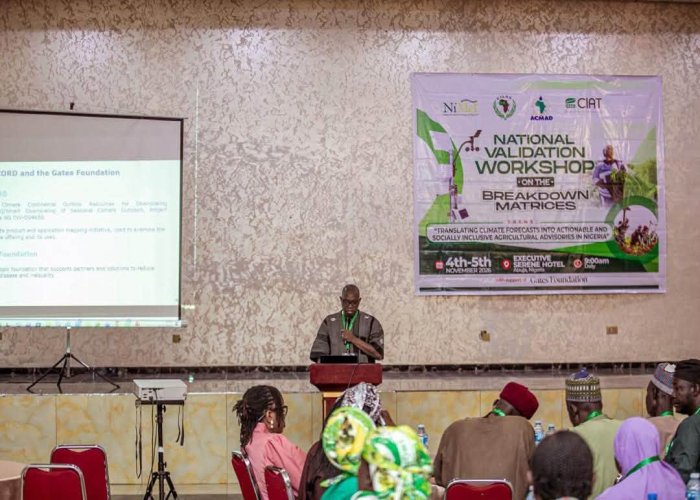
The workshop, held from 4 to 5 November 2026 at the Executive Serene Hotel, Wuye, Abuja, was organized by NiMet in collaboration with the African Centre of Meteorological Applications for Development (ACMAD), AGRHYMET Regional Climate Centre and the Alliance of Bioversity International and CIAT under the ACCORD Project, funded by the Gates Foundation.
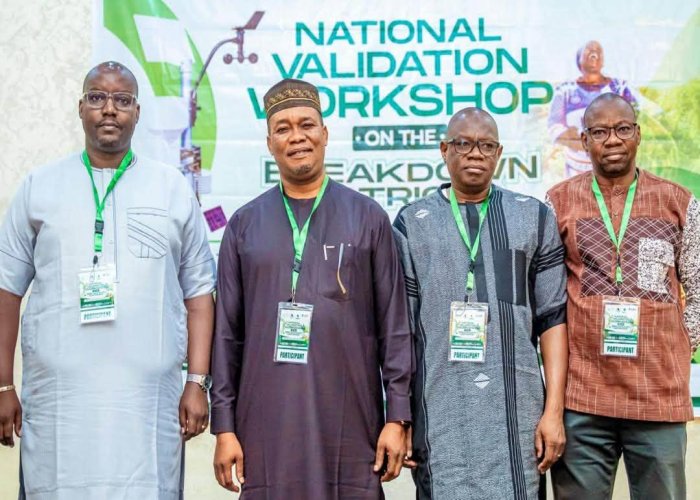
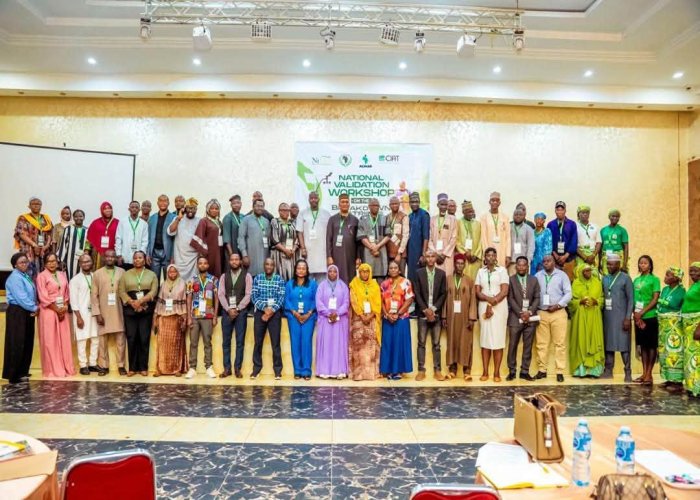
Themed “Translating Climate Forecasts into Actionable and Socially Inclusive Agricultural Advisories in Nigeria,” the workshop brought together meteorologists, agricultural experts, researchers, development partners, extension practitioners, farmers and other stakeholders to review and validate the Breakdown Matrices
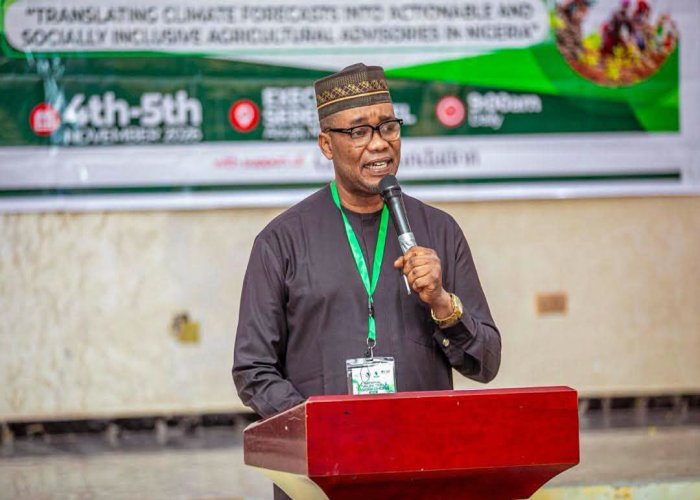
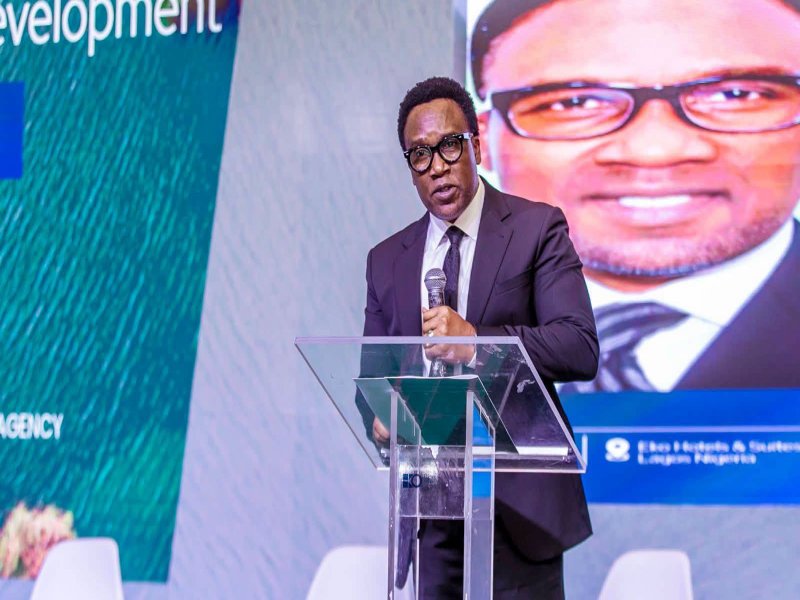
In his welcome address, the Director-General/CEO of NiMet and Permanent Representative of Nigeria with the World Meteorological Organization (WMO), Professor Charles Anosike, emphasized that the value of climate forecasts lies in their ability to inform decisions, improve agricultural practices and protect livelihoods.
He described the Breakdown Matrices as an important link between climate forecasts and practical agricultural advice, stressing that the resulting advisories must be scientifically sound, locally relevant and easy for farmers and other end users to understand and apply.
Professor Anosike urged participants to critically review the matrices and ensure that the recommendations reflect the diverse agricultural systems and needs of communities across the country.
In his opening remarks, Dr. Issa Ouedraogo, representing the Alliance of Bioversity International and CIAT, highlighted the importance of bridging the gap between climate science and the everyday decisions of farmers, extension agents and policymakers.
Similarly, Godefroid Nshimirimana, representing the Director-General of ACMAD, explained that the Breakdown Matrices translate seasonal climate forecast scenarios into specific agricultural recommendations based on agro-ecological zones and crop requirements. He noted that the workshop would also assess available datasets, identify sector-specific needs and validate advisory messages.
In his goodwill message, Dr. Seydou Tinni Halidou, representing AGRHYMET Regional Climate Centre, reaffirmed the importance of regional collaboration and technical partnerships in strengthening climate services and translating seasonal climate information into practical agricultural advisories for farmers.
The initiative is expected to strengthen NiMet's capacity to deliver timely, practical agricultural advisories, particularly to support the 2027 Seasonal Climate Prediction, while reinforcing climate resilience, food security, and the link between early warning and early action in Nigeria.